The conversation around corporate workspace found in commercial real estate (CRE) is undergoing a fundamental shift. After a long period defined by managing surplus, the focus is now on the purposeful optimization of existing assets, unlocking new levels of efficiency and agility.
First, we’ll examine the potential implications of creating more dynamic and cost-effective environments — and what factors could be driving the reset, including the slowdown in new construction, how asset classes and product types are being impacted. Then, we’ll discuss why office conversions aren’t the cure-all many assume.
New Construction Continues to Slow
CRE construction is at near historic lows. Rising costs due to high interest rates, tariffs, inflation, and labor wage growth have all been major contributors. Current pipelines for office, industrial, retail and multifamily properties are below Q1 2020 levels. Here’s a breakdown of rising costs:
- Steel — Structural steel prices have increased about 9% year-over-year in many markets, partly driven by doubling of tariffs on steel imports (from 25 to 50 %).
- Aluminum and metals (trim/finishes) — Architectural metal trim and finishes have seen double-digit increases (e.g., approximately 25% year-over-year in some indices), significantly raising interior build-out costs.
- Lumber and building materials — In many regions, softwood lumber prices have often risen in the low- to mid-teens percentage range, year-over-year, while comprehensive building materials input indices are up about 30 to 35% since 2020, per the National Association of House Builders (NAHB).
- Concrete and core materials — Core structural materials (i.e., concrete, gypsum) in many regions are now 20 to 30% or more above pre-pandemic baselines, applying additional pressure to foundation and structural budgets.
- Appliances and import components — Estimates suggest that incremental tariff-driven costs in residential models are approximately $7,500 to $10,000 per project; new 50% metal-content tariffs on appliances may further raise fit-out and systems costs in commercial/office settings.
The result is that all these pressures compound, making new construction more expensive and riskier.
The Great Divide in Workspace Assets
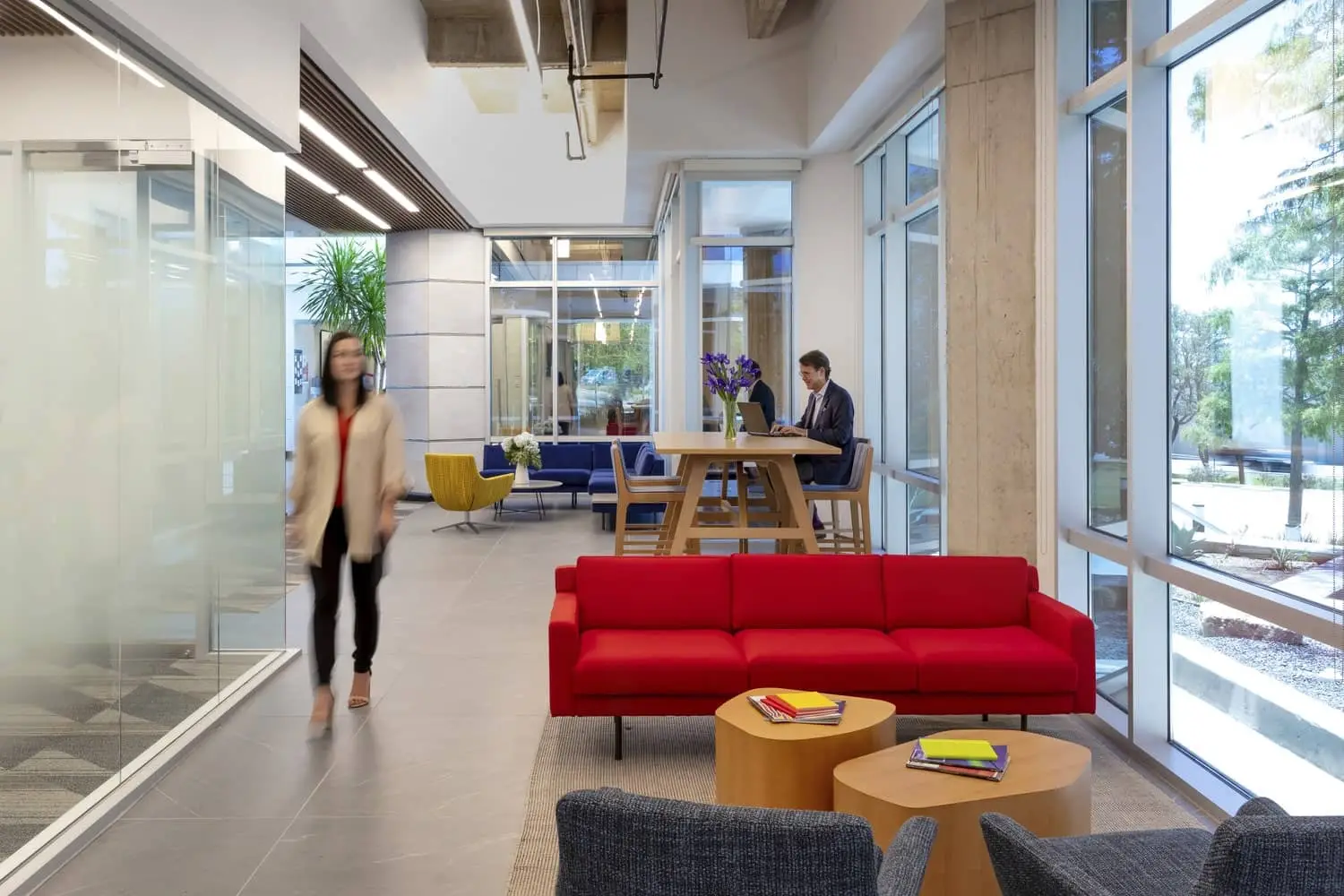
The slowdown in new construction exacerbates the divergence between high-quality (top-tier) and obsolete office buildings. For modern, amenity-rich Class A properties, the lack of new supply is a significant advantage: with fewer new competitors, these assets face less pressure to offer rent concessions. Tenants are increasingly willing to pay a premium for desirable locations and advanced infrastructure. Companies are no longer simply leasing square footage, they’re strategically investing in premium buildings to attract talent, elevate their brand, and future-proof their operations. Top tier amenity rich Class A spaces have become an almost non-negotiable tool for recruitment and retention.
This shift further validates KBS’ long-held strategic approach; that of identifying opportunities in improving submarkets early and repositioning assets to achieve enduring relevance and performance.
Recent occupancy trends have also highlighted the enduring strength of premium office assets. According to Kastle Systems’ Back-to-Work Barometer, workers in Class A buildings reached a new single-day post-pandemic peak occupancy in October 2025, at 98.1%, two tenths higher than the previous peak in early September.
Tenants are gravitating toward best-in-class, amenity-rich buildings that foster collaboration and convey prestige. This underscores the competitive advantage of KBS’ Class-A properties in markets where premium space is becoming increasingly scarce.
While the lack of new construction has reduced overall supply, the demand for older commodity properties is softening. But the problem isn’t so much a lack of new space; it’s that tenants are leaving older spaces entirely. So, the waning of new construction ensures that the best existing assets gain greater appeal and get stronger. The office market isn’t healing, per se, it’s crystallizing.
Across property sectors, the shortage of new construction is acting as a powerful market tailwind.
Multifamily fuels rent growth and support high occupancy
With housing shortages across many regions, the slowdown in new apartment deliveries translates into:
- Increased competition for units, pushing vacancy rates down.
- Strong upward pressure on rents, as prospective tenants have fewer new options.
- Preserves the value of existing properties, even as higher interest rates pressure valuations.
The retail sector continues to defy expectations
The lack of new retail construction has been a surprising benefit for a sector once left for dead. The era of building endless strip malls is over, but the lack of new supply has:
- Shielded existing properties from new competition, allowing well-located shopping centers to thrive.
- Driven demand for functional, space from service-oriented tenants (i.e., doctors, dentists, spas) to necessity-based retailers such as grocers.
- Increased the value of location, as it’s nearly impossible to build new retail in dense areas.
Industrial/Logistics have seen supercharged rental growth
While there are signs of a slowdown, the industrial sector continues to see robust demand. This has led to:
- Record-low vacancy rates in many markets.
- Significant rent growth as tenants compete for limited space.
- Increased value for existing assets, as functional warehouse space becomes a scarce and critical commodity.
The office conversion myth
While the idea of converting underutilized offices into residential housing sounds compelling, in practice such conversions are rarely viable, except in markets with extreme housing demand, exceptionally high land values, or favorable zoning. The structural, financial, and regulatory challenges are significant, and the impact, while helpful, is limited.
First: for a building to be a viable candidate for conversion, it needs to be either entirely vacant or at least mostly vacant. If an office building still houses tenants, the logistical, legal, and financial hurdles of terminating leases and displacing tenants is prohibitively expensive and time-consuming.
Office buildings are fundamentally designed for a different purpose. Older office buildings, especially those built before the widespread adoption of central air conditioning, have large floor plates, limited plumbing infrastructure, and inefficient layouts that make residential conversion nearly impossible without extensive (and costly) reconfigurations. For example:
- Plumbing and mechanical systems — Residential units require far more plumbing and HVAC distribution than office layouts, particularly for bathrooms and kitchens.
- Access to light and ventilation — Large floor plates often mean that interior spaces lack windows, making them unsuitable for residential use without major structural changes.
- Structural issues — Retrofitting a building to meet residential safety codes is cost prohibitive.
Final Thoughts:
The “great workspace reset” lies in an active asset management strategy that relies on the ability to transform spaces into desirable ones that are dependent on what tenants truly value — from market to market. As the greater CRE market evolves into a dynamic, experience-driven industry., the reset is creating a clearer, more rational and potentially more resilient landscape for the future.
Learn more by visiting KBS.com/Insights.