The Sun Belt office sector enters 2026 with a cautiously optimistic outlook, supported by the resilience demonstrated throughout 2025. While some markets faced softer leasing dynamics, overall fundamentals across major Sun Belt hubs remained solid.
Class A assets in high-growth metros such as Dallas, Charlotte, Nashville, and Phoenix continued to attract steady tenant demand, driven by population growth, sustained job creation, limited new supply, and evolving workplace strategies that favor modern, well‑located buildings. These markets remained a standout beneficiary of companies relocating office operations from coastal regions, reinforcing its reputation as one of the nation’s most compelling office investment environments.
Looking ahead, analysts see the Sun Belt continuing to maintain their outperformance in the year ahead, driven largely by strong demand for high‑quality Class A assets, while aging or secondary buildings are likely to remain under pressure.
2025 Performance Review and Markets to Watch
Population gains and inward migration flows have continued to shape demand across the Sun Belt, supporting office activity in markets that received substantial inflows of workers and firms, according to CBRE:
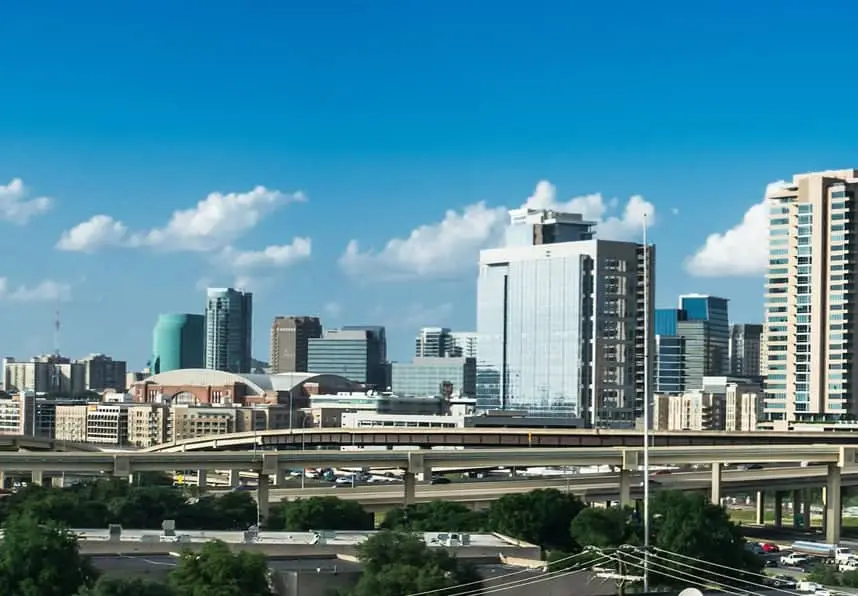
Dallas — Class A office performance in Dallas metro area remained positive, with consecutive quarters of Class A net absorption and improving vacancy conditions for higher-quality space. Average Class A asking rents also rose year-over-year.
Charlotte — This growing office market recorded strong leasing activity. Average deal sizes in Q3 were 141.6% above the five-year average, reflecting outsized new-lease volume relative to historical norms.
Nashville — Absorption was positive for the seventh consecutive quarter, with new leases outnumbering renewals by a wide margin and ongoing demand supporting occupancy gains.
While official “top 10” lists can vary by report and methodology, many industry rankings and forecasts emphasize repeated strength or momentum in Sun Belt markets, including Dallas and Houston, Texas; Miami and Tampa, Florida; Nashville, Tennessee; and Phoenix, Arizona.
2026 Defining Trends
Three structural themes are expected to continue shaping the Sun Belt office market in 2026: the widening gap between Class A and lesser-quality assets, evolving return-to-office policies, and a constrained construction pipeline.
Class A Assets versus Assets of Lesser Quality: The bifurcation between differing tiers of office assets are more pronounced. Nationally, 2025 vacancy in Class A office was lower (14.2%) than in lesser quality office property (19.1%) as of Q3 2025 per CBRE, indicating strong tenant preference for premium space.
This divide is evident in several major hubs, including Charlotte, Dallas, Phoenix, and others where prime vacancy runs at least 10-percentage points below overall vacancy. Tenants continue to value quality, accessibility, and amenities, all which leave older or less competitive properties to contend with weaker demand. Owners of those assets face choices such as upgrading, repositioning, or converting to alternative uses.
Return to Office Dynamics: Workplace attendance trends continue shaping demand. While hybrid arrangements remain common, multiple surveys indicate a shift toward more in-office days in 2026, with a notable share of companies planning to reduce or eliminate remote work and increase required in-office days per week. These changes are often driven by the desire to strengthen company culture and boost productivity — factors that can favor central office environments in commuter-friendly Sun Belt metros.
Supply and Construction Backdrop: Office completions in 2025 were well below historical averages, and the overall pipeline remains constrained compared with previous cycles. CBRE reports that the U.S. construction pipeline fell to around 16 million square feet, on pace for the lowest annual total in over a decade. This limited new supply gives existing high-quality assets greater pricing and occupancy leverage.
Conclusion
Performance in the Sun Belt office sector was mixed in 2025, but resilient. Strong markets often offset softer ones, producing stabilization and segmented growth. As 2026 begins, the bifurcation between office space is expected to persist, and the flight-to-quality theme remains central. For investors and occupiers seeking long-term growth in the evolving U.S. office landscape, Sun Belt markets with quality fundamentals continue to be a solid options.
Learn more by visiting KBS.com/Insights.