Like most industries, commercial office real estate is undergoing a transformation fueled by cultural and demographic changes, and shifting economic and capital landscapes. Despite these changes, recent reports from office and other commercial real estate (CRE) firms have revealed a strategic shift from “short-term reactive” to “long-term proactive” among operators and their tenants.
This means tenants are moving toward more intentional decisions that align with long-term business objectives. These are excellent indicators that the office market is strengthening its footing and that opportunities are forthcoming.
Tenant Demand and Office Utilization on the Upswing
According to ResumeBuilder, 90% of companies surveyed were committed to reintroducing physical office space this year. Physical office space remains an essential element in fostering inclusion, creativity, and connection — all of which are vital to a company’s long-term success. In fact, in a recent survey, more than half of U.S. employees expressed interest in working in-office four to five days a week, while less than 20 percent expressed interest in working fully remote.
Office Bets on Quality
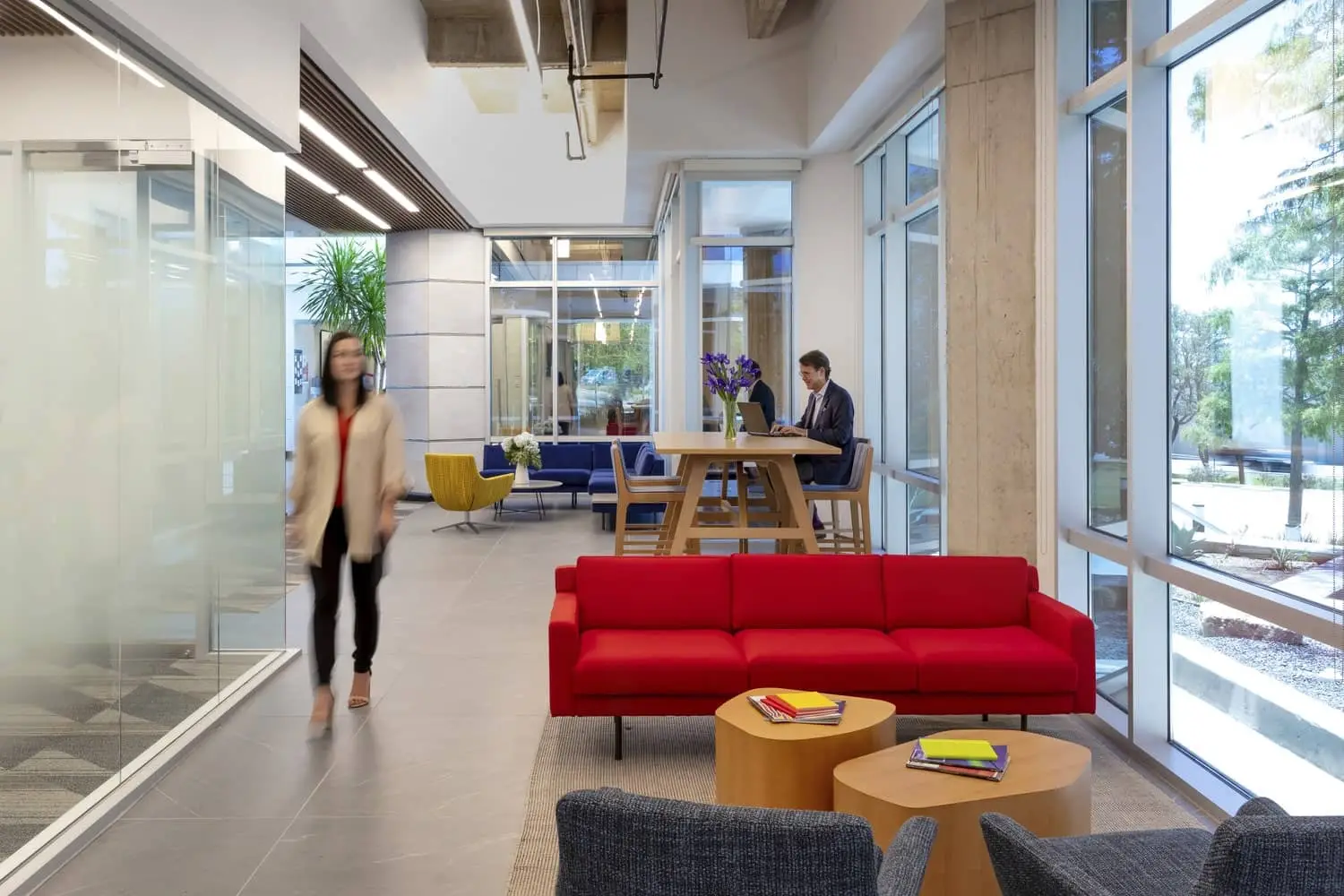
Tenants are prioritizing on modern, high-quality buildings that offer an array of premium amenities and advanced features — properties that have longevity. Class A office space is especially attractive because many companies are focusing more on the experience and productivity of their employees and are looking for space that can support that, even if it comes at a premium.
To illustrate, KBS’ seven-building office campus, Ridgewood Corporate Square, in Bellevue, WA, proves that premium amenities can elevate a property’s appeal to tenant businesses and their workers.
In early 2021, KBS completed a multimillion-dollar transformation of Ridgewood, renovating more than 12,000 square feet of space to include collaborative work areas, a sleek tenant lounge, a new conference room, on-site management office with concierge service, and a 24/7 fitness center. The result was the creation of a reinvigorated atmosphere that not only fostered collaboration and socialization, but helped contribute to a solid work-life balance. It also created a stir in the surrounding market, drawing considerable interest from companies looking for a new location.
According to Marc DeLuca, CEO and Eastern regional president at KBS, this “flight to quality” reinforces the consistent performance of high-quality office properties in strong locations.
“Companies are drawn to these highly amenitized buildings as a way to attract top talent and help them remain competitive,” says DeLuca.
The “flight to quality” trend, however, isn’t new. In the wake of the 2008 Great Recession, tenants expressed a similar level of interest for quality, well-located and amenitized buildings. Against this backdrop, it’s not unreasonable to believe that the office sector will see growth in the coming 2-3 years.
Enhancing Asset Value
The flight to quality trend in office CRE also includes resilience and sustainability. The use of new Property technology (i.e., “proptech”) is changing the way buildings are designed, constructed, and managed.
Through smart technology, digital platforms, and a myriad of available innovative management solutions, proptech can help office operators make more informed decisions, mitigate a property’s environmental impact, optimize operational efficiency, enhance marketplace competitiveness, and improve tenant satisfaction and retention — critical elements supporting long-term success. Additionally, owner-operators are integrating proactive environmental management strategies and programs across portfolios to update buildings and tenant-controlled spaces with energy efficient equipment and technology to stay ahead of anticipated future code changes.
Conclusion
The commercial real estate market may be at an inflection point according to John Chang, the national director of research and advisory services at Marcus & Millichap. A metaphorical gun has gone off, “at the start of a track event,” he noted. “It’s almost like the combination of Chairman [Jerome] Powell’s commentary together with the jobs report was a trigger.” As sentiment turns, transaction volume will come back “quickly” and capital that has been sitting on the sidelines gets put to work, Chang noted.
By adopting a proactive approach and planning ahead, the office sector can better safeguard assets and position players to better capitalize on emerging trends, ensuring that today’s decisions build a resilient foundation for sustainable success. “I anticipate the competition for assets will heat up quickly,” Chang said. “The race to place capital has started.”
Learn more by visiting KBS.com/Insights.