
Sustainability initiatives aren’t just good for the planet, they’re good for NOI…if you know how to turn green goals into operational gains.
By Marc DeLuca
Office owners and operators have long understood that green initiatives serve a dual purpose: protecting natural resources and safeguarding property value. Beyond operational improvements, workplaces that support sustainability tend to reduce turnover, enhance the tenant experience and strengthen the property’s reputation. This, in turn, leads to increased net operating income (NOI) and asset value.
Smart Technology Powers Smarter Savings
The integration of smart building technology is transforming how assets are managed. Automated systems and AI-driven tools are enabling office owners and operators to fi ne-tune building performance in real time. At the operational level, intelligent lighting and HVAC systems adapt automatically to occupancy patterns and weather conditions, minimizing waste while keeping tenants comfortable. Predictive maintenance uses sensor data to identify potential equipment issues before they become costly failures, extending the life of major systems and reducing downtime.
Establishing a fully integrated sustainability data management platform can drive portfolio performance and support data-informed decision making. This platform should provide comprehensive monitoring of key metrics, including energy and water use, emissions, technical audits, building certifications, regulatory compliance and other critical operational projects at each property. By centralizing and streamlining data across a portfolio, this type of platform can become a critical tool in tracking and improving our sustainability efforts.
Another smart initiative is developing and deploying a proprietary energy management platform that supports real-time energy monitoring and optimization of building performance. This technological solution can support a portfolio by providing actionable insights into energy consumption patterns, helping to identify areas for improvement in real time and enabling cost-saving opportunities. Coupled with the data management
platform, this technology not only enhances operational efficiency, but has helped KBS drive sustainability goals forward across our portfolio.
Our firm has also implemented the Gridium Energy Management System, a cloud-native, AI-powered solution, to help support our ongoing energy-reduction goals. With continuous monitoring and the rollout of strategic energy-reduction initiatives, we are on track to meet our first major target — achieving a 5 percent reduction in greenhouse gas (GHG) emissions by the end of 2025.
These efficiencies can compound over time, lowering energy bills, reducing repair expenses and helping maintain the premium experience tenants expect from a high-quality office property.
Recycling Efforts That Deliver Real Returns
While there are upfront costs to most sustainability initiatives, the environmental and financial impact of recycling can be significant.
We launched a single-stream recycling program at UBS Tower in Nashville, Tenn., in 2023. By working with our existing waste hauler, KBS provided centralized containers throughout tenant spaces and common areas where mixed recyclables could be deposited without sorting. The city’s waste management facility now handles the separation, making participation effortless for tenants, which boosts engagement.
The result was a 59 percent waste diversion rate, a substantial reduction in landfill tonnage and an estimated $6,000 in annual waste management savings. This is an example of how an up-front investment in operational improvements can yield ongoing savings year after year.
Certifications That Build Value and Trust
Building certifications like LEED and ENERGY STAR have become an expectation in office real estate, signaling that a property is built and managed to the highest environmental and wellness standards. These are more than just feel-good labels — they can directly impact office NOI and asset value.
The GRESB (Global Real Estate Sustainability Benchmark) Real Estate Assessment has become one such metric for successful sustainability efforts, and participation in this assessment can support long-term value growth. Studies show that participating funds outperformed non-participating funds, even when controlling for differences in fund size, investment style and leverage. Over the full 11 years, GRESB participants delivered buy-and-hold returns that were 40 percentage points higher than those of non-participants, equivalent to about 1.8 percent a year.
LEED certification, for example, requires investments that lower operating costs, reduce waste and create healthier indoor environments. All of this can translate into higher rental rates and stronger tenant retention. It is prudent to continuously search for responsible and effective ways to add value through climate resilience.
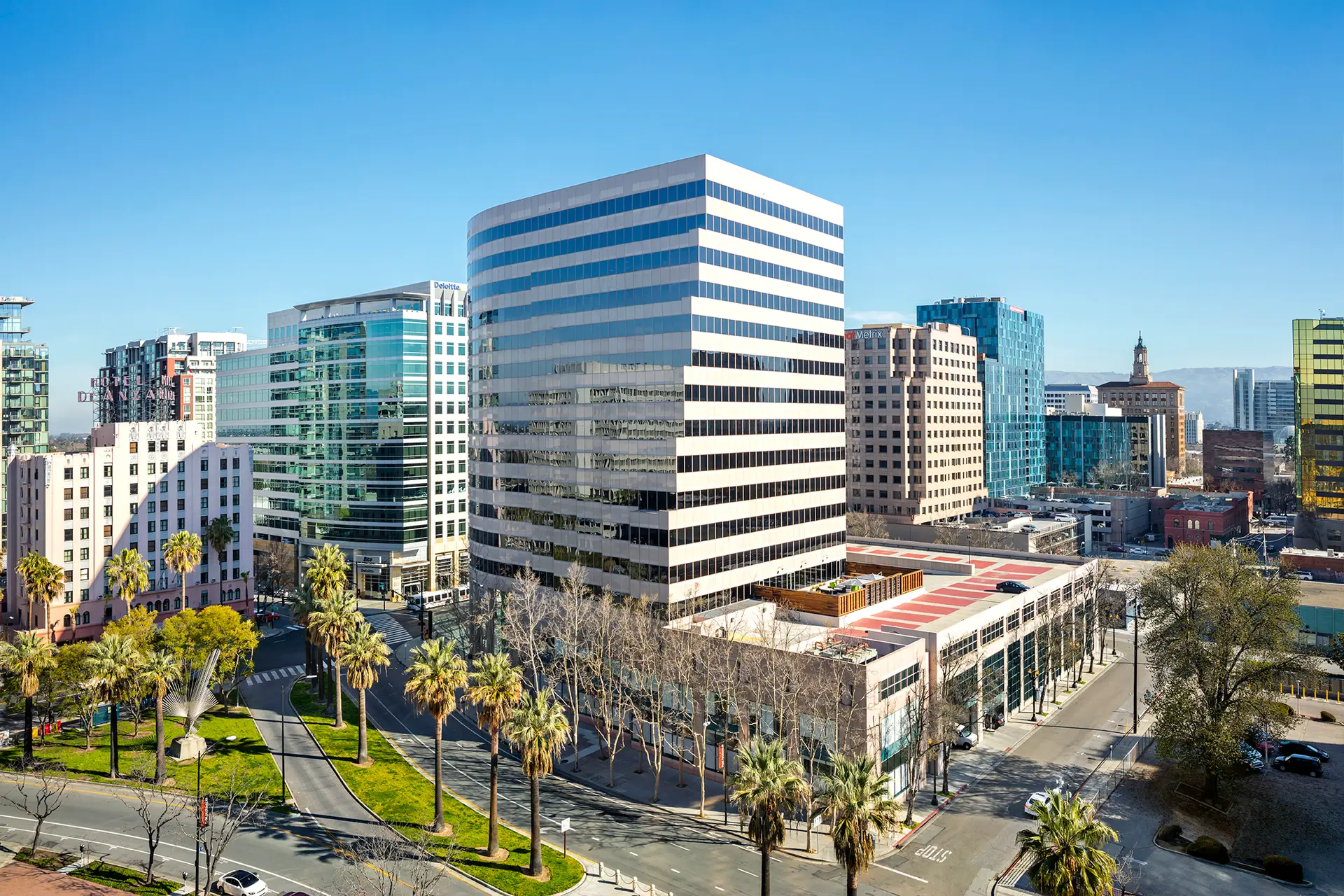
Ten Almaden in San Jose, Calif., provides another example of sustainability features that can improve the tenant experience. This LEED-Gold certified office tower features amenities like a modern fitness center, the “Club Ten” tenant lounge, EV charging stations, secure bike storage and a FloWater refill station. Ten Almaden achieved top marks in tenant satisfaction across the KBS portfolio in 2024 and received the Kingsley Survey Tenant Satisfaction Excellence Award. Its layered focus on service, sustainability and well-being has created an elevated tenant experience and a community where people and businesses thrive.
The real estate industry is at a turning point where sustainability can be a competitive advantage. Owners are investing in operational improvements like recycling programs and smart building systems, while pursuing certifications to demonstrate value, attract tenants and improve profitability.
Story first published in Western Real Estate Business