As the workforce becomes more diverse across generations, the role of the workplace continues to evolve, and millennials are at the center of that shift. As the largest generation in the workforce, they are prioritizing flexibility, collaboration and experience.
Millennials, the first digital generation, have been shaped by a series of global disruptions – from September 11, 2001, to the Great Recession, to the pandemic. They bring a broad, adaptive perspective that is shaping how organizations respond to change. Cushman & Wakefield underscored this in its August 2025 report, Generations at Work: Unlocking Potential in a Multigenerational Workplace, identifying “change-ready” as the generation’s defining superpower.
The third installment in our series examining the four major generations shaping today’s workforce focuses on millennials, born between 1981 and 1996. Defined by digital fluency and a strong emphasis on connection and belonging, they are reshaping how workplaces look, feel and function.
Designing for Experience
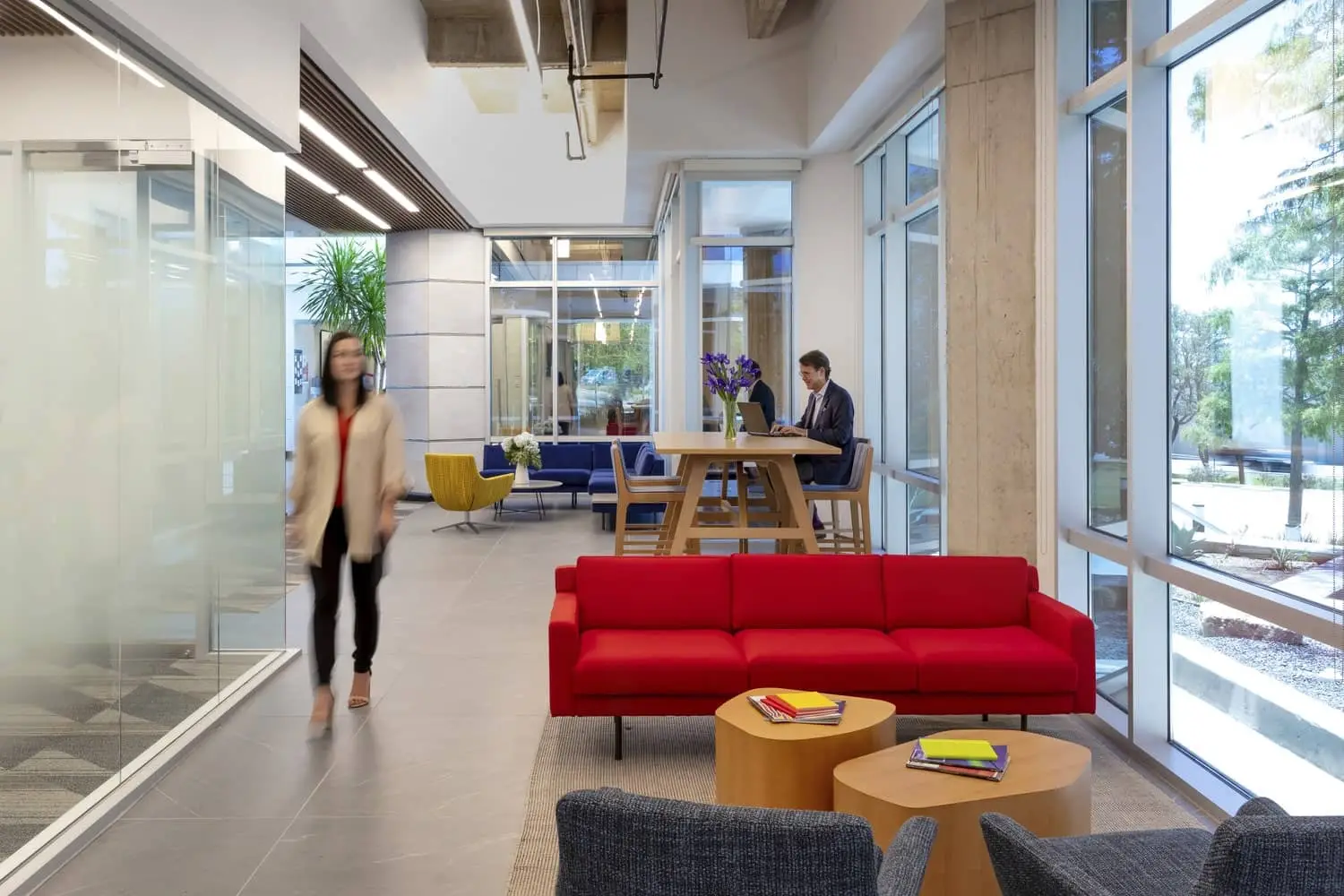
The shift from activity-based to experience-driven environments aligns with millennial expectations. Collaborative, culture-forward settings are gaining importance relative to individualized work, while wellness and purpose are emerging as key drivers of workplace engagement.
Effective workplace environments now extend beyond task-based functionality to support varied work modes and individual energy rhythms. For millennials, access to choice is a key driver of experience. Cushman & Wakefield’s Experience per Square Foot (XSF) data shows a 74% experience score among employees with flexibility, compared to 50% without, with an even greater disparity tied to schedule choice (79% versus 53%).
“Millennials don’t treat flexibility as a perk; they treat it as the operating system for doing great work,” says Bryan Berthold, Global Workplace Experience Leader at Cushman & Wakefield.
If people are an organization’s most important asset, employee health and welfare must be a priority. Yet, millennials are struggling. Just 38% report high well-being, trailing baby boomers by 13 percentage points. The impact is measurable: Berthold’s research indicates employees with high well-being are more than three times more likely to say they can do their best work.
“What’s critical is that business connection,” he says. “Wellness is where the workplace story gets real. For Millennials, wellness design isn’t a meditation room; it is about creating and designing workplaces where they can thrive.”
According to Cushman & Wakefield, the top five drivers of well-being in 2025 are having a workplace that’s energized, reflects the company culture, provides spaces for focused work, ensures thermal comfort, and offers social and active areas. The collective impact boosts workplace experience scores by 27 percentage points, well-being by 30 percentage points, and productivity by 33 percentage points.
Purpose-Driven Places
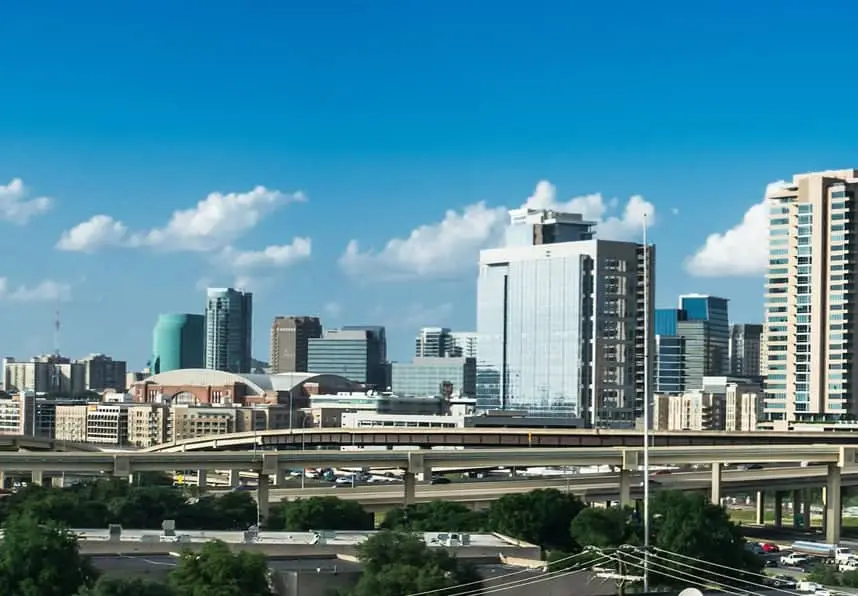
While millennials are more likely to be on-site – 71% report going in at least once a week, compared to 61% of baby boomers – their expectations differ. The workplace must deliver purpose and experience. Mixed-use developments that combine workspace with retail, dining and lifestyle offerings are well-positioned to meet that demand.
“Urban, live-work-play ecosystems win because they reduce friction and add convenience, energy, and community,” Berthold says. “When the location and workplace deliver real value, attendance becomes a choice people make, not a rule people resist.”
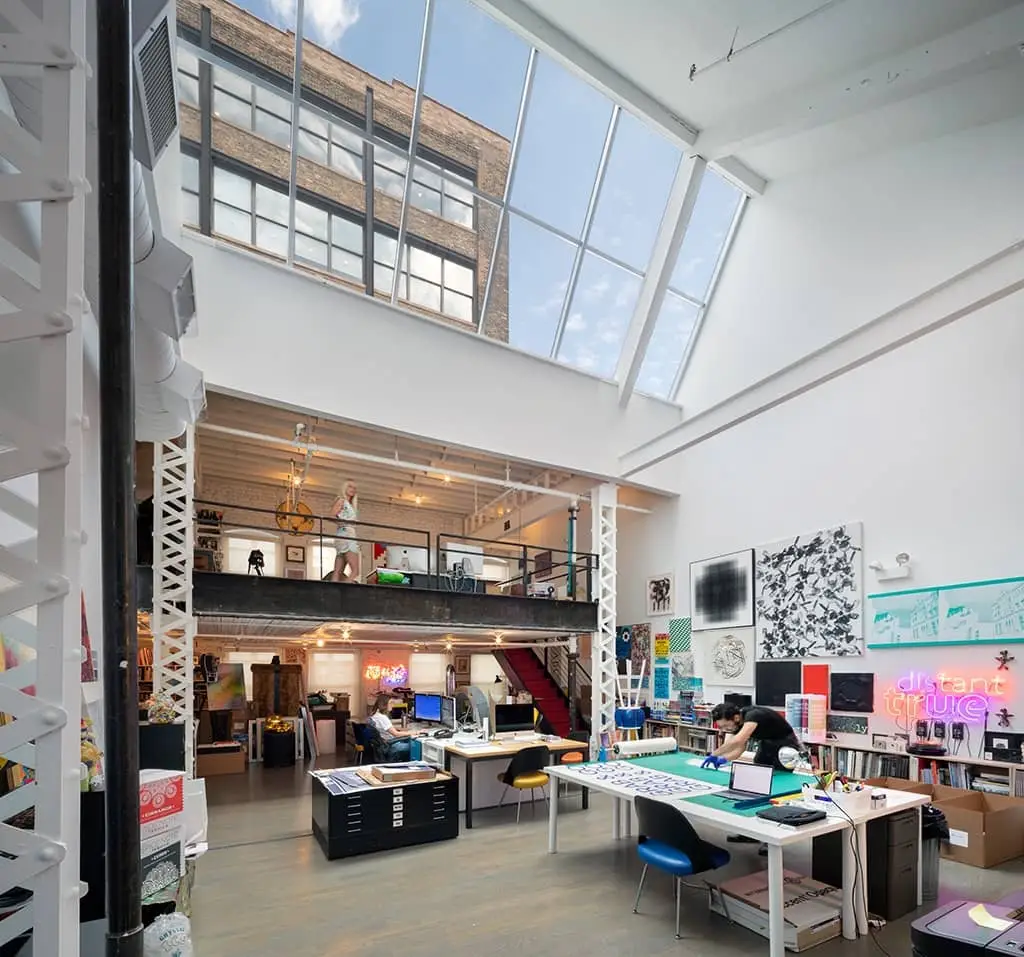
Adaptive reuse buildings with sustainability certifications and eco-friendly materials align with Millennials’ commitment to environmental responsibility while offering urban authenticity and walkability. Amenities, such as on-site cafés, green spaces, and health and wellness services, are now viewed as “growth infrastructure” rather than perks.
The workplace has transitioned from a primarily task-oriented environment to one focused on connection and culture. Although millennials are well-suited to flexible, collaborative work models, many environments are not keeping pace. Nearly 40% say their workplaces fall short of supporting essential in-person functions, including collaboration, relationship-building, learning and development, and cultural alignment.
“This is not just about creating more meeting rooms, but rather a place that can build community and connection,” says Berthold. “Collaboration is an experience to choreograph.”
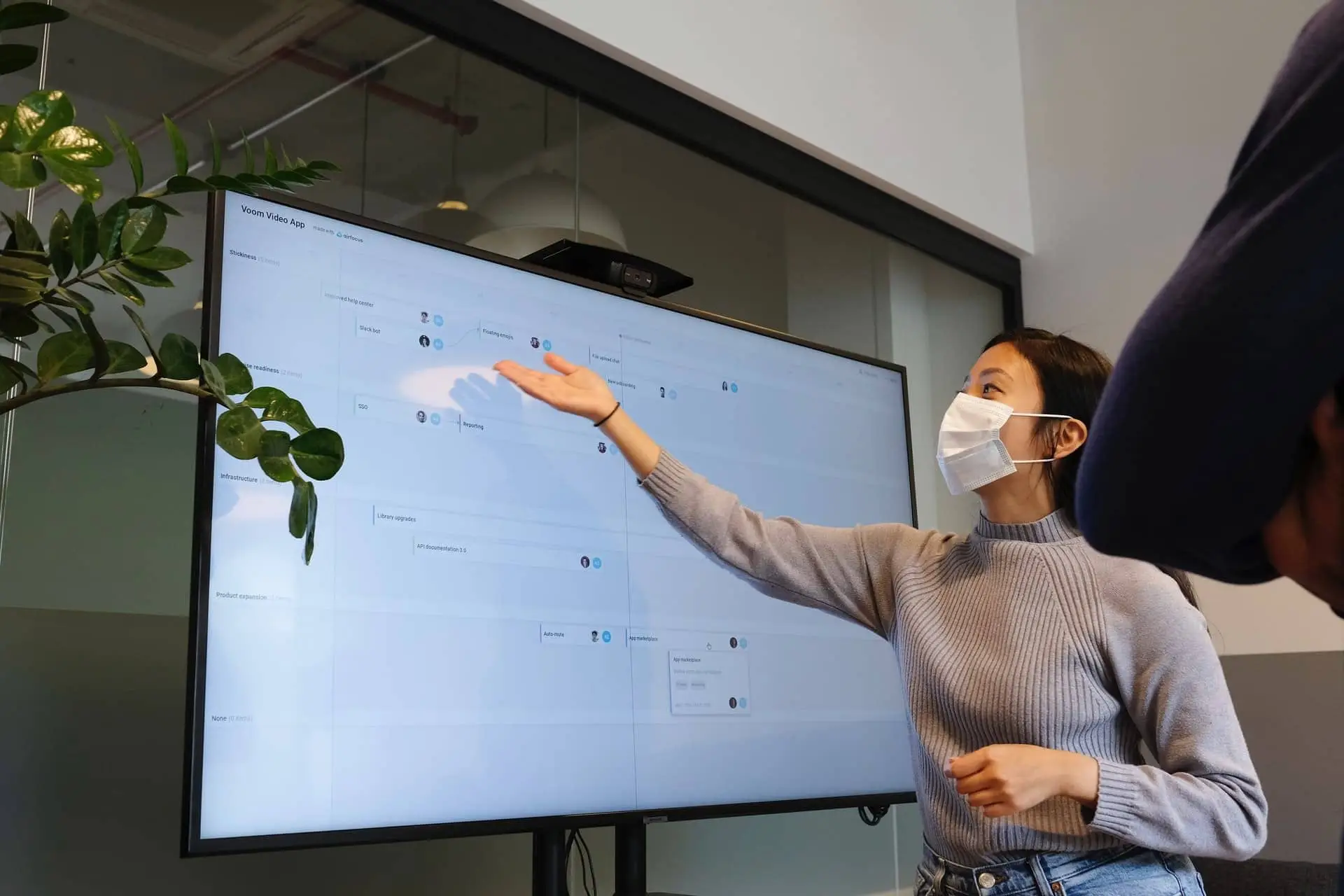
Designing advanced, tech-enabled rooms, project spaces, and social “collision zones” is part of the solution. Ensuring these spaces function effectively to ensure all participants, including service providers, work together with a new focus on the employee experience is critical, too.
“Transparency is less about glass and more about culture,” Berthold says. “In our data, culture continues to show up as one of the strongest performance drivers, which is why transparency must be authentic: the space should reinforce openness, but the behaviors and norms have to make people feel included.”
Positioned for What’s Next
As millennials become the dominant influence in the workforce, workplace expectations are shifting accordingly. Flexibility is emerging as a baseline requirement, pushing organizations to move beyond conventional structures and prioritize transparency, adaptability and employee well-being.
In this context, the effectiveness of multigenerational environments will be defined by their ability to integrate structured legacy models with more flexible, experience-driven and tech-enabled solutions.
Learn more by visiting: KBS.com/Insights.
Source:
Cushman & Wakefield, Unlocking Potential in a Multigenerational Workplace