As companies deal with change, new technology, and shifting work habits, one group continues to hold things together: Generation X. Often working behind the scenes, Gen X connects older ways of working with what comes next and helps organizations stay steady during change.
Since the dot-com boom, Gen X has been seen as quiet or overlooked, mainly because its comparatively small population was sandwiched between two very large groups, the baby boomers and millennials. As you can see in this Pew Research chart, the birthrate dipped significantly in the Gen-X birth years. Today, Gen X is leading.
We all know that high‑profile tech‑startup CEOs, such as Elon Musk (54) and Jack Dorsey (49), both Gen Xers, have been in top roles for years. But those who worked their way up the traditional corporate ladder are now stepping into key positions as experienced, steady decision‑makers. What was once called the “forgotten generation” has become a driving force inside many organizations.
The stereotype of disengagement, satirically memorialized by the 1999 movie “Office Space,” has become the picture of leadership by default and design. This evolution has helped reshape how offices function, how space is designed, and how work gets done.
The second in our series on the four major generations in today’s workforce focuses on Gen X, born between 1965 and 1980, and the what, where, and how of their workplace preferences. This shift is shaping how offices work, how space is used, and how people get their jobs done.
Leadership Is Taking Shape
Having navigated multiple economic cycles, technological transformations, and workplace shifts, this generation brings a measured, practical approach to decision-making. Their leadership style tends to emphasize execution over optics and outcomes over experimentation.
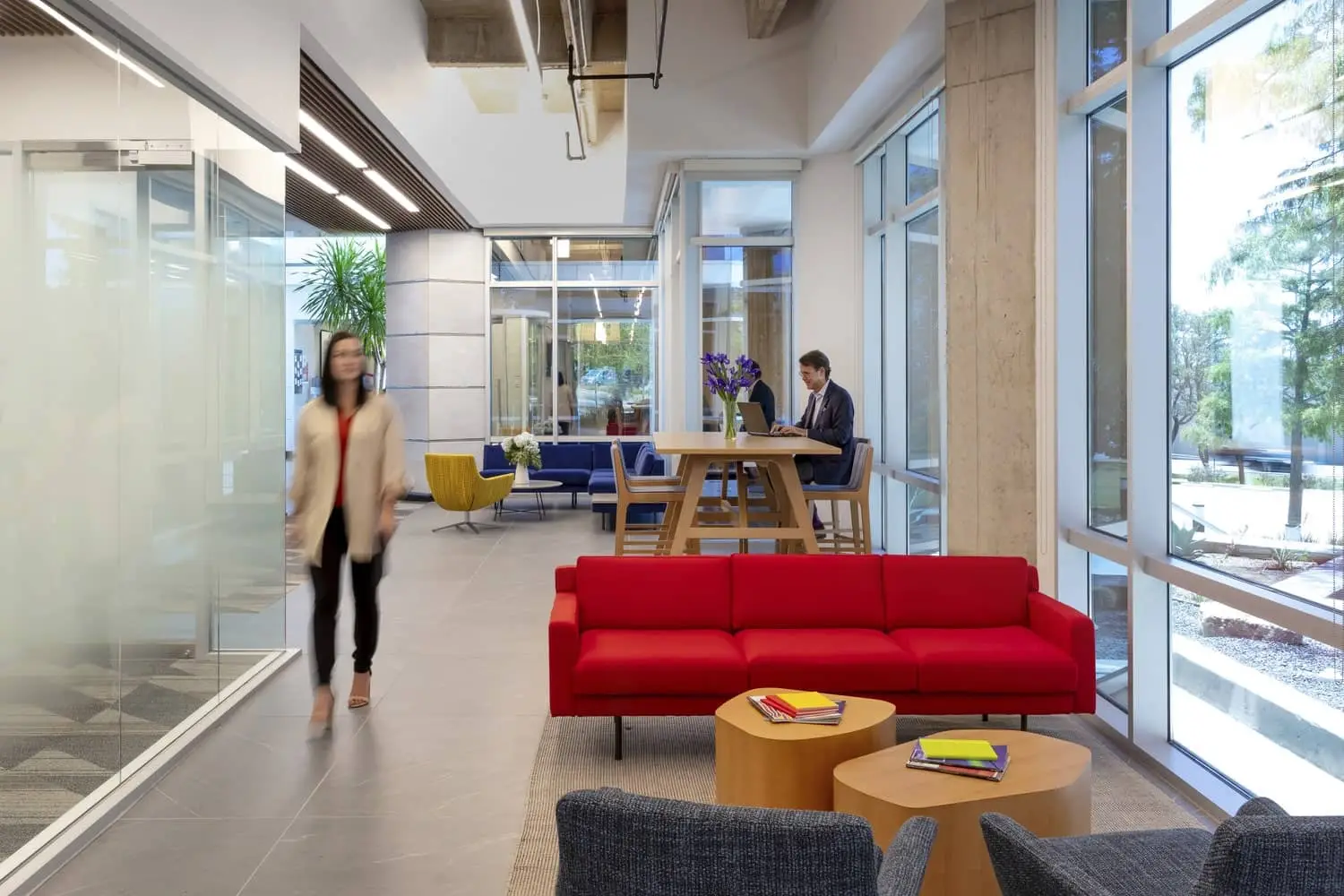
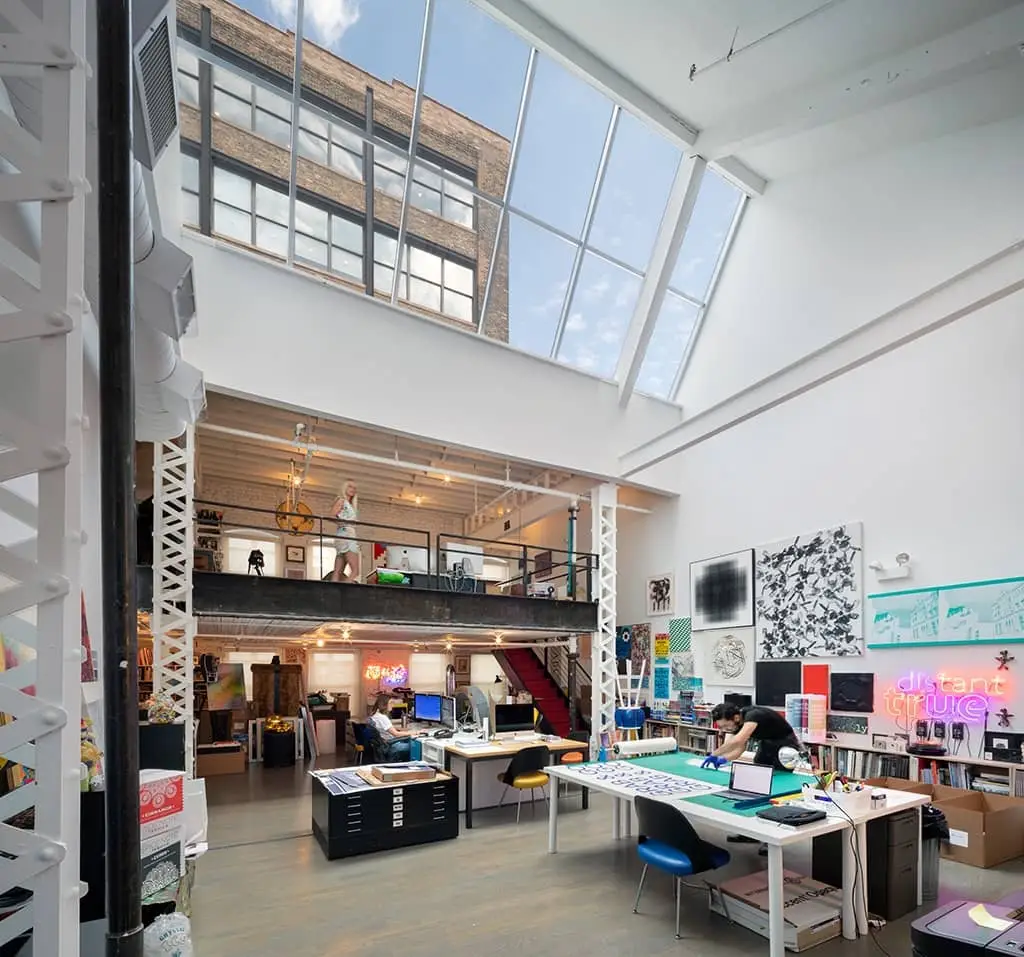
As a result, the office is increasingly shaped by Gen X sensibilities. The emphasis is less on performative workplace trends and more on environments that truly support productivity, autonomy, and collaboration. Traditional, assigned desks that people can personalize often win out over hoteling systems or highly stylized communal workstations. The work environments, for Gen X leaders, are not a cultural accessory; they are a functional tool.
What Makes a Workspace Work
While a lot of attention goes to younger workers, Gen X still cares deeply about the basics. They value spaces that are easy to use, comfortable, and supportive of real work. Quiet areas matter. So do meeting rooms that block out noise. Clear workspaces help people focus. Open areas are useful too, but only when they support teamwork without getting in the way.
Design choices follow the same idea. Simple and practical beats trendy. Many Gen X workers prefer having their own desk they can make their own, rather than shared seating or constantly changing setups. The goal is comfort, focus, and consistency.
Where Work Fits into Life
Gen X places a high value on balance. Long commutes and crowded city centers are often less appealing than offices that are easier to reach. Locations near transit, in business parks, or in suburban areas often work better.
Nearby amenities also matter. Gyms, childcare, good food, and everyday services show that an employer understands how work fits into daily life.
The Balance Wheel
Gen X has often been referred to as the workforce’s “middle child,” but they are rising in prominence. As boomers retire – which will accelerate as the oldest boomers turn 80 in 2026 and the youngest, 62 – more Gen X professionals will guide company culture, so the workplace needs to keep up. Environments that save time, reduce stress, and support employees help businesses succeed. Their independence, experience, and ability to work with others make them a steady presence in the workplace, who do best when trusted, given flexibility, and allowed to lead without unnecessary rules.
Gen X plays a lasting role in today’s workplace. As they continue to lead, their values are shaping how offices are designed and how teams operate. In a world full of change, Gen X brings balance, experience, and steady leadership. Workspaces that support their strengths will stay useful into the future.
Learn more by visiting KBS.com/Insights.