As Executive Vice President of Finance for KBS, Robert Durand is responsible for overseeing the KBS financing team, developing lending relationships, and negotiating the financing for all KBS commercial real estate (CRE) assets. He’s also a member of the Investment Committee, where he applies his nearly twenty-five years of CRE experience to the evaluation and approval of all new investment opportunities for the company. Mr. Durand recently shared his thoughts on creating value in CRE.
What’s the current appetite for adding value in CRE, and how has that changed in recent years?
One of our many KBS strategies, is to look for opportunities where the “bones” and the location of a property are solid but doesn’t appeal to tenants in its current state, perhaps due to weak management, poor maintenance, or miscalculated capital investments. It really depends not only on the quality the design of the building — but if the location offers tenants proximity to entertainment, restaurants, and public transportation. The success of a value-add investment also depends on implementing the right capital investment strategy and providing an amenity mix that will attract quality tenants to the property, creating stable leasing interest and a consistent source of revenue.
In the current office environment, which is bifurcated between the “haves” and the “have nots,” an asset that is in an excellent location, and has desirable amenities, strong professional management, capitalization to support leasing activity, and qualified sponsorship may be the better bet. Class A and A+ buildings continue to perform well, even in this challenging market. However, identifying the next best asset in a market — and then repositioning that asset with a disciplined capital improvement and leasing plan — should result in higher overall returns, particularly if the renovation results in the property moving from the “have nots,” and becoming one of the “haves.” On the flip side, if the property remains a “have not,” even after the execution of a repositioning plan, the costs of the renovations could have little to no effect on improving returns from an increase in leasing. Investors must carefully underwrite a value-add plan because not every building is a good fit for a value-add strategy.
What’s one of the key factors that contribute to a successful project?
Enhancing a project with unique, market-specific amenities and improvements will ultimately appeal to users in the submarket. For example, KBS has made a host of upgrades and enhancements to UBS Tower in Nashville, Tennessee, that enhances the tenant experience and promotes sustainability — solidifying UBS Tower as one of Nashville’s best-in-class buildings.
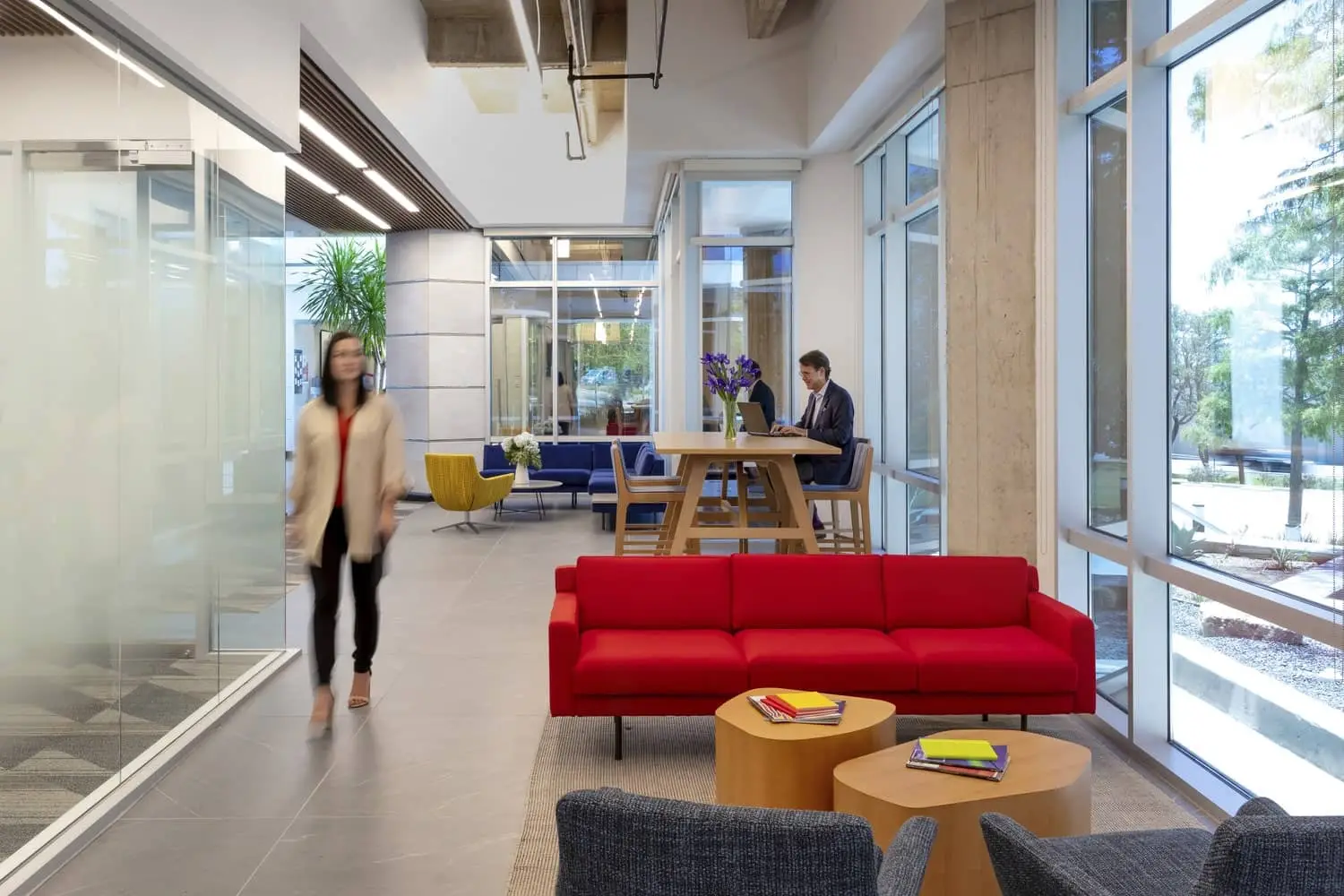
With modern conference rooms and meeting spaces, UBS Tower offers areas curated to enhance collaboration, productivity, and wellness. Outdoor terraces and common areas further foster a sense of community and opportunities for social interaction and networking. Tenants enjoy an array of exceptional amenities with unique features that contribute to a vibrant work environment. The building is also home to one of the city’s only “kegerators” (special refrigerators designed to store kegs that dispense ice-cold beer and wine on tap) located within an inviting amenity space where tenants can gather for after-work events, like “Thirsty Thursdays.” It’s just one of the many building experiences and amenities that help foster a sense of community and further support an engaging workplace — as does the building’s free coffee kiosk and state-of-the-art fitness center.
There’s never been a better time to create workspaces that prioritize employee collaboration, well-being, and good environmental practices. Class A buildings with premium and environmentally inspired, tenant-friendly amenities are leading the way in capturing demand and achieving strong leasing activity across the U.S. (and even rental growth in some markets).
In terms of market fluctuations or execution challenges, what risks should you look for?
Much of our attention over the last few years has been spent on restructuring debt maturities within our portfolios. Now that we’ve resolved most of them, we can pivot and look forward to new opportunities that the current market cycle is offering. Given the cautious lending market (particularly toward office products), making decisions for any investment is undoubtedly challenging. That said, each asset needs to be carefully analyzed and considered individually. Lenders today are looking more closely at rent rolls and lease rollover schedules, along with the more conventional analysis regarding location, desirability and market demand as they underwrite new loans. We try to take these risks into account so we can better structure our portfolios to weather economic shifts and periods of low capital availability, while adding value to each property.
How important is active management at the asset and portfolio level?
Active asset management has been critical to creating value in each of our portfolios. Our asset management strategies focus on making targeted capital expenditures that enhance the quality and desirability of each asset, which is key to retaining tenants and bringing new tenants to the property. Upgrades and modernizations help position our assets for the future and our portfolios for growth.
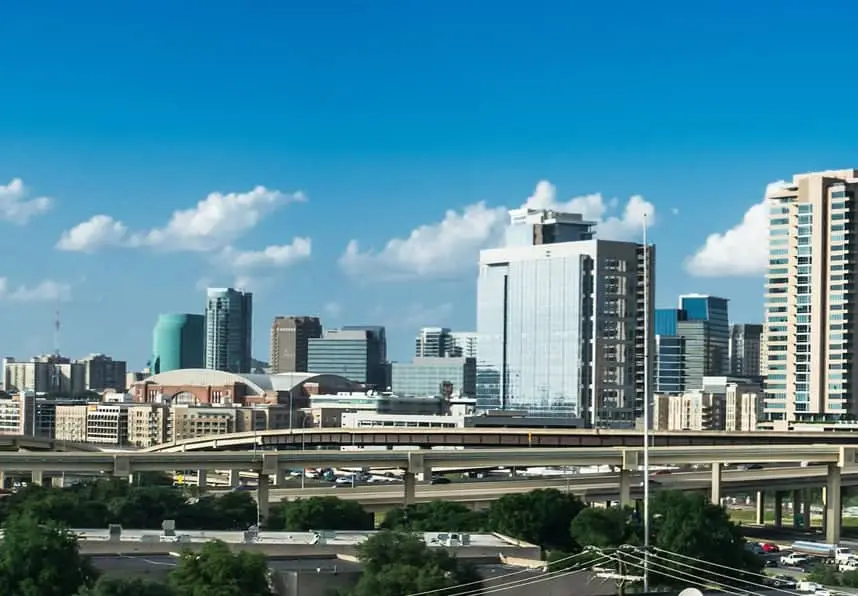
During the height of the pandemic, we made a multimillion-dollar investment in one of our largest properties in Chicago, Accenture Tower. We added outdoor space, more ground-floor retail, and tenant-friendly amenities. As the pandemic waned and workers returned to the office, Accenture Tower, with its improvements, has been able to improve and retain occupancy at nearly 100% — even while other buildings in the immediate area continue to struggle. In Texas, the value-add repositioning and renovation work we undertook at Preston Commons in Dallas enabled us to successfully sell the property in one of the largest office sales in Texas in 2024.
What property type, sector or geography has you most excited in the year ahead, and why?
With performance varying greatly depending on the region, submarket, city, and building class, the office sector has been the most watched. And the most important factor in the office market continues to be location. Regardless of the value-add initiative or investment strategy you bring to a commercial property, its location will ultimately be what attracts tenants and results in value-add returns. That being the case, retaining tenants and improving occupancy hinges on creating exceptional tenant-friendly environments. We strive to offer a distinctive amenity package at each property, aiming to exceed the expectations of both our current and prospective tenants.
In terms of markets, the Sun Belt states continue to lead the way in workers returning to the office full-time. This highlights the bifurcation that exists in those markets compared to many major urban areas like the San Francisco Bay Area, which has been slower to see a return to in-person work. However, there are some hotspots we’re always watching, such as Preston Center and Uptown in Dallas, Cherry Creek in Denver, Century City in Los Angeles, and the La Jolla and Del Mar submarkets in San Diego, which are all very hard to enter from an investment standpoint, where investors, developers, lenders, and the like, continue to be bullish on the future of CRE (including office).
Learn more by visiting KBS.com/Insights.