Baby Boomers, or “Boomers,” remain a vital and integral part of the modern workforce. For employers, engaging Boomers is both a strategic advantage and a cultural necessity. Retaining Boomers and unlocking their invaluable expertise in multiple market cycles reduces turnover, fuels mentorship, and preserves institutional knowledge.
According to the Bureau of Labor Statistics (BLS), more than 11 million adults aged 65 and older were in the labor force in 2024, representing about 7% of U.S. workers. While many planned on retiring early, a 2023 Transamerica survey found that more than half (57%) of Boomers expect to work to age 70 or beyond, with many saying retirement isn’t even on the radar. What does that mean for future generations and the impact their footprints will leave on the future of office spaces?
This first installment in a series on the four major generations in today’s office workforce focuses specifically on the Baby Boomer cohort of individuals referred to as “Generation Jones,” born between 1954 and 1965. Over their careers, they’ve gone from typewriters to global connectivity to artificial intelligence. While many Boomers have embraced the rise of digital tools, the traditional office environment remains important. They place value on the structure and camaraderie these workspaces provide.
Why Timeless Traditions Keep Boomers Engaged
Boomers came up in a professional world of corner offices, clear chains of command, and plenty of formality. While they’ve adjusted to open seating and hybrid schedules, many still put a premium on structure and professionalism. For them, quiet and privacy aren’t luxuries; they’re the baseline. Unlike Millennials and Gen Z, who often thrive in the hum of shared spaces, Boomers are far more likely to see noise as the enemy of focus and productivity.
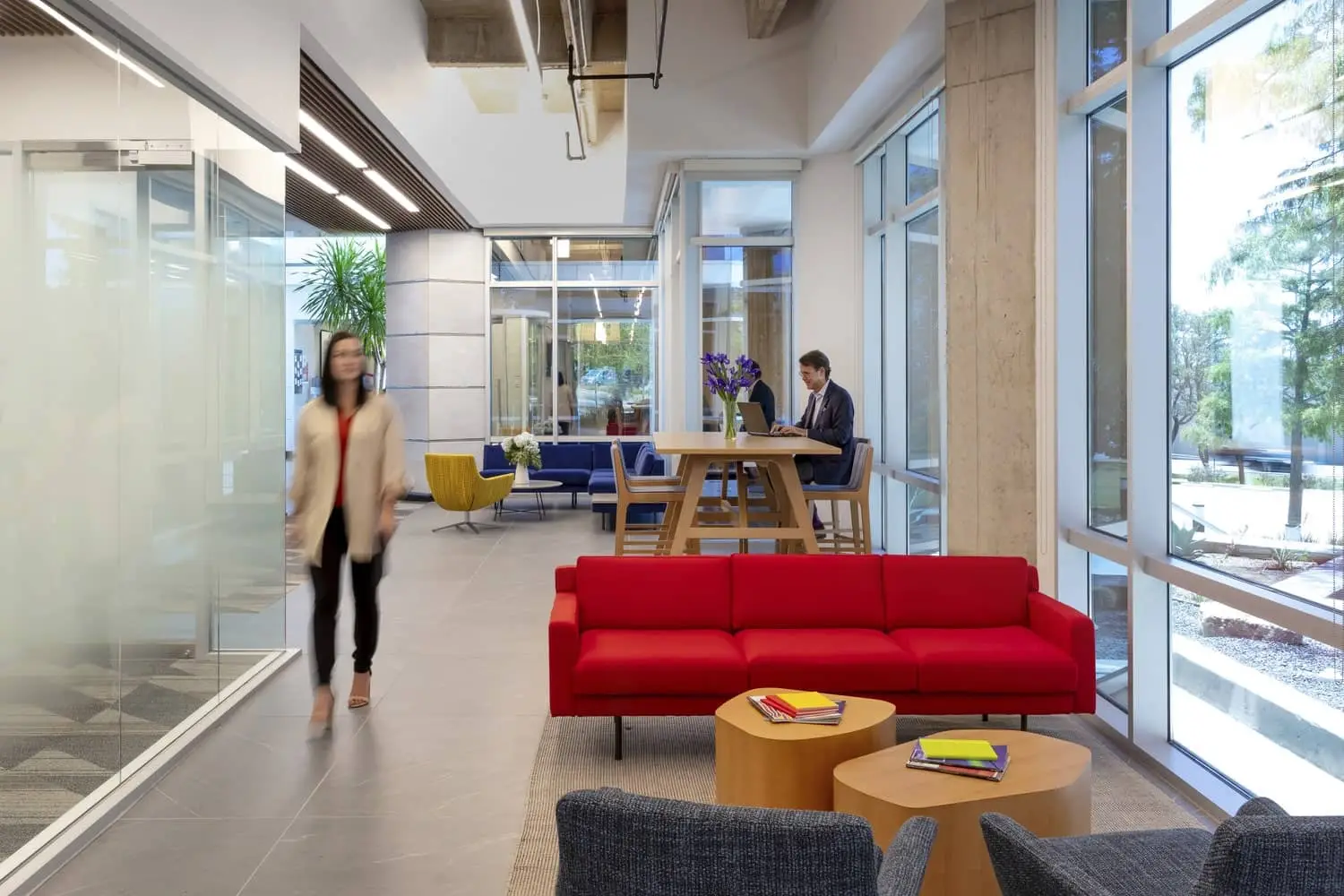
That doesn’t mean they’re resistant to today’s shifts in how we work. According to the Gensler 2025 U.S. Workplace Survey, 38% of Boomers prefer private spaces and 25% prefer working with others in collaborative zones. Closed doors still matter, but so do meeting rooms that feel welcoming and inspire shared experiences, strengthening relationships, reinforcing cultural norms, and fostering a sense of community among colleagues.
Boomers understand the value of being face-to-face with colleagues and especially the company’s leadership. Additionally, reliable conference rooms, smooth booking systems, and thoughtfully designed collaboration spaces play a key role in creating an environment which feels professional, dependable, and worth showing up for.
Where Boomers Prefer to Work
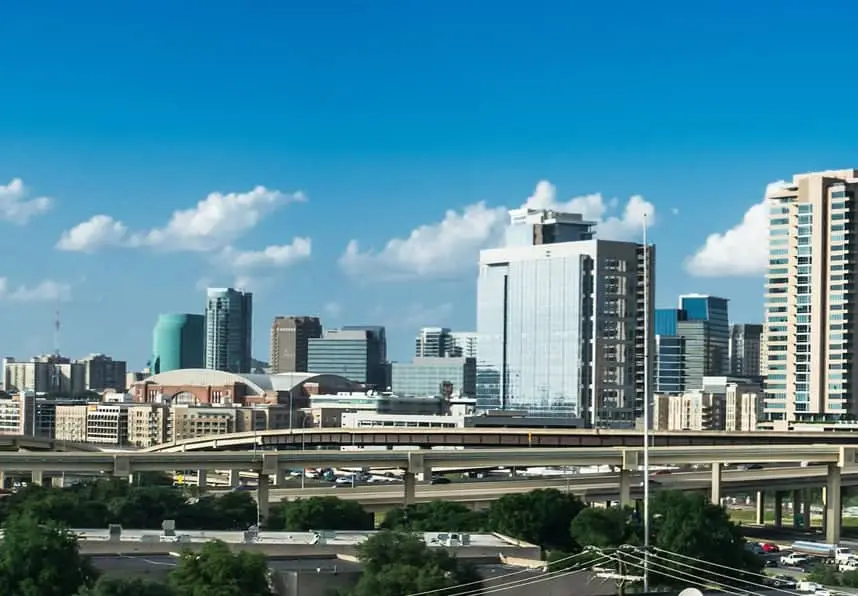
Geography and commute matter. Many Boomers lean toward suburban office campuses and professional buildings rather than high-density downtown towers. These locations align with industries where Boomers remain strong, including finance, law, and healthcare administration.
Driving is still the default. According to the U.S. Census Bureau, older workers are more likely than younger ones to commute by car. That makes ample parking and highway access a must-have.
That doesn’t mean Boomers ignore flexibility. One recent survey shows that about one in four want full-time remote arrangements, but most prefer the stability of on-site work. The difference is that their expectations revolve around routine and predictability, not constant change or digital-first experimentation.
Designing for Boomer Retention
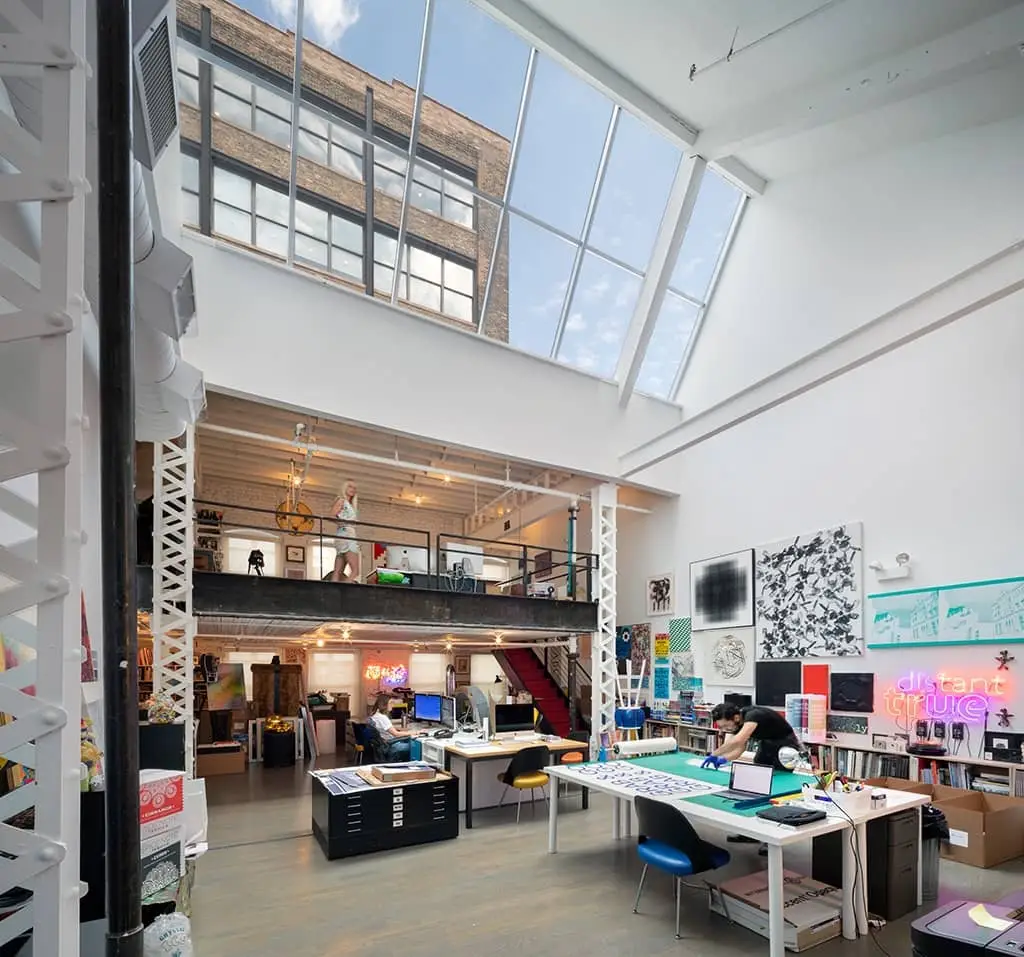
In recent years, office trends have leaned heavily toward Millennial and Gen Z preferences, such as open floorplans, digital-first tools, and lifestyle amenities. Retaining experienced employees fosters an environment of comfort, recognition, and legacy.
Practical features resonate: fixed desks, executive zones, framed artwork, storage, and spaces that feel structured rather than transient. Employers who design with both well-being and productivity in mind signal that older employees are a valued part of the culture.
On the technology front, Boomers prioritize reliability. They value tools that are intuitive, dependable, and backed by strong IT support. As CBRE’s generational insights study highlights, Boomers are less swayed by trendy features and more by consistent, functional systems that let them focus on work without troubleshooting.
KBS Emphasizes Data-Driven Design Decisions That Align with Boomer Priorities
For Boomers, a professional workspace isn’t about trends; it’s about appreciation, health, and convenience. Wellness and security is foundational.
In 2024, KBS achieved the WELL Health-Safety Rating across more than 11 million square feet of the company’s portfolio, which highlighted our commitment to the health and well-being of tenants and those who frequent our buildings. Additionally, we at KBS have implemented modern HVAC systems, bipolar ionization, touch-free entries, and green cleaning practices at many of our properties. These amenities aren’t flashy, but behind the scenes they add up to a more healthful, predictable workday for Boomers.
As part of KBS’ tenant engagement approach, we consistently conduct tenant satisfaction and feedback surveys to better understand each of our tenant’s unique needs, address issues, and determine future improvements. KBS’ dedicated focus on engagement allows us to rapidly respond to tenants’ needs and have been a key driver behind strong tenant satisfaction. The majority of KBS properties won the 2024 Tenant Satisfaction Kingsley Excellence Award, and KBS scored 4.54 out of 5 in national tenant overall satisfaction. This award recognizes properties that outperform the Kingsley Index™ industry benchmark for tenant satisfaction.
To name a few, here are the five highest performing properties in overall satisfaction:
Commute convenience also matters. In Nashville, UBS Tower offers direct highway access, structured parking, and downtown amenities. In Minneapolis, 60 South Sixth delivers seamless integration with the Skyway System and on-site retail. These kinds of features mean Boomers can drive in, park easily, and move through the workday without friction.
In Chicago, KBS’ Accenture Tower features a lifestyle experience exceptionally attractive to Boomers. With over 70,000 square feet of retail, dining, and entertainment, along with a two-level, 14,000-square-foot fitness center and basketball court, the building’s amenities are equaled only by a workday commute made more convenient by Ogilvie Station, located within Accenture Tower and providing direct commuter rail access between the Loop and Fulton Market.
KBS properties lean into professionalism and stability: refined lobbies, polished finishes, reliable systems, and concierge-level tenant services. For Boomers, that consistency reinforces the standards they’ve upheld their entire careers.
The Bottom Line
“Generation Jones” Baby Boomers have demonstrated as much longevity, engagement, and commitment as any other cohort of generational employees. The BLS projects that by 2032, adults aged 65+ will increase to 8.6% of the U.S. labor force.
While about 10,000 reach retirement age each day, many continue working out of purpose, security, and passion. A well-designed office is not just about aesthetics; it’s about ensuring these seasoned professionals remain a stabilizing force in a rapidly evolving workplace.
While the traditional office model may be evolving, the core objective remains the same: to create an environment that meets the diverse needs of all employees. By integrating insights from all generations, organizations can navigate the complexities of effective workplaces.
Learn more by visiting KBS.com/Insights.