Commercial real estate is entering a new phase of recovery, but the forces shaping it are fundamentally different from those of the previous cycle.
For much of the past decade, low interest rates, abundant capital and broad property appreciation supported investment returns. As borrowing costs declined, cap rates compressed and valuations increased. Investors were able to benefit even when property-level performance was less compelling.
That playbook has changed.
Following a significant valuation reset, the market is showing signs of stabilization. However, stabilization does not mean a return to the conditions that defined the previous cycle. The current cycle will depend more on income generation at the property level.
At the 2026 National Association of Real Estate Editors (NAREE) conference in June, CBRE’s Matt Mowell described this year as the beginning of a new commercial real estate cycle for the office sector, one in which returns are expected to rely less on yield compression than in previous periods. Mowell also expects inflation to moderate beginning in early 2027, and for office to become more competitive, relative to competing asset classes.
Why the Previous CRE Playbook No Longer Applies
The 2010–2021 CRE cycle was defined by low interest rates and strong property value growth. As the cost of capital fell, investors accepted lower yields, contributing to cap-rate compression and further increases in asset values. Investors could refinance at lower borrowing costs, take on more debt, and benefit from valuation growth even when property-level fundamentals were not particularly strong.
However, the current environment is fundamentally different, with higher financing costs placing greater pressure on returns. Underwriting also remains rigorous, with lenders placing greater emphasis on cash flow, borrower strength and asset quality.
As a result, investors can no longer rely primarily on market appreciation to drive returns. Careful asset selection and active management will be key to the next recovery cycle.
A Return to the Fundamentals
If the previous cycle was heavily influenced by capital markets, the current one will depend more on income generated at the property level. That places renewed emphasis on occupancy, rental growth, expense management and strategic capital investment.
In this environment, owners and investors must understand each property’s tenant or resident base, competitive position, physical condition and capital requirements, as well as the broader economic forces affecting performance. With active asset management becoming increasingly more important for identifying leasing opportunities and enhancing the tenant or residents’ experience to controlling expenses and directing capital toward improvements with the greatest potential impact.
Not All Markets Are Recovering at the Same Pace
Another defining characteristic of this CRE cycle is that the recovery is unfolding differently across markets and property types.
Multifamily, industrial, office, and retail each entered the current environment with distinct supply-and-demand dynamics, financing conditions and tenant fundamentals. These differences are shaping where investment opportunities emerge and how quickly each sector recovers. Even within the same asset class, performance can vary significantly by market, hub and individual property based on local demand drivers, such as competitive supply.
Multifamily: Resilient Demand, Uneven Supply
Multifamily continues to demonstrate resilience, supported by rental demand and sustained absorption. However, several markets, particularly in the Sun Belt and Mountain West, are still absorbing elevated levels of new supply. Conditions may strengthen in 2027 as the development pipeline contracts, although performance will continue to vary by market and asset type. Well-located, walkable properties near employment centers and everyday amenities are likely to be better positioned.
Industrial: Greater Focus on Modern, Well-Located Facilities
Industrial demand is increasingly focused on modern facilities in locations that support evolving distribution networks. In addition to large distribution centers, warehouses and fulfillment facilities under 100,000 square feet are attracting interest as occupiers seek space closer to population centers. This trend reflects demand for last-mile distribution capacity and the need for more flexible logistics networks.
Office: A Continued Flight to Quality
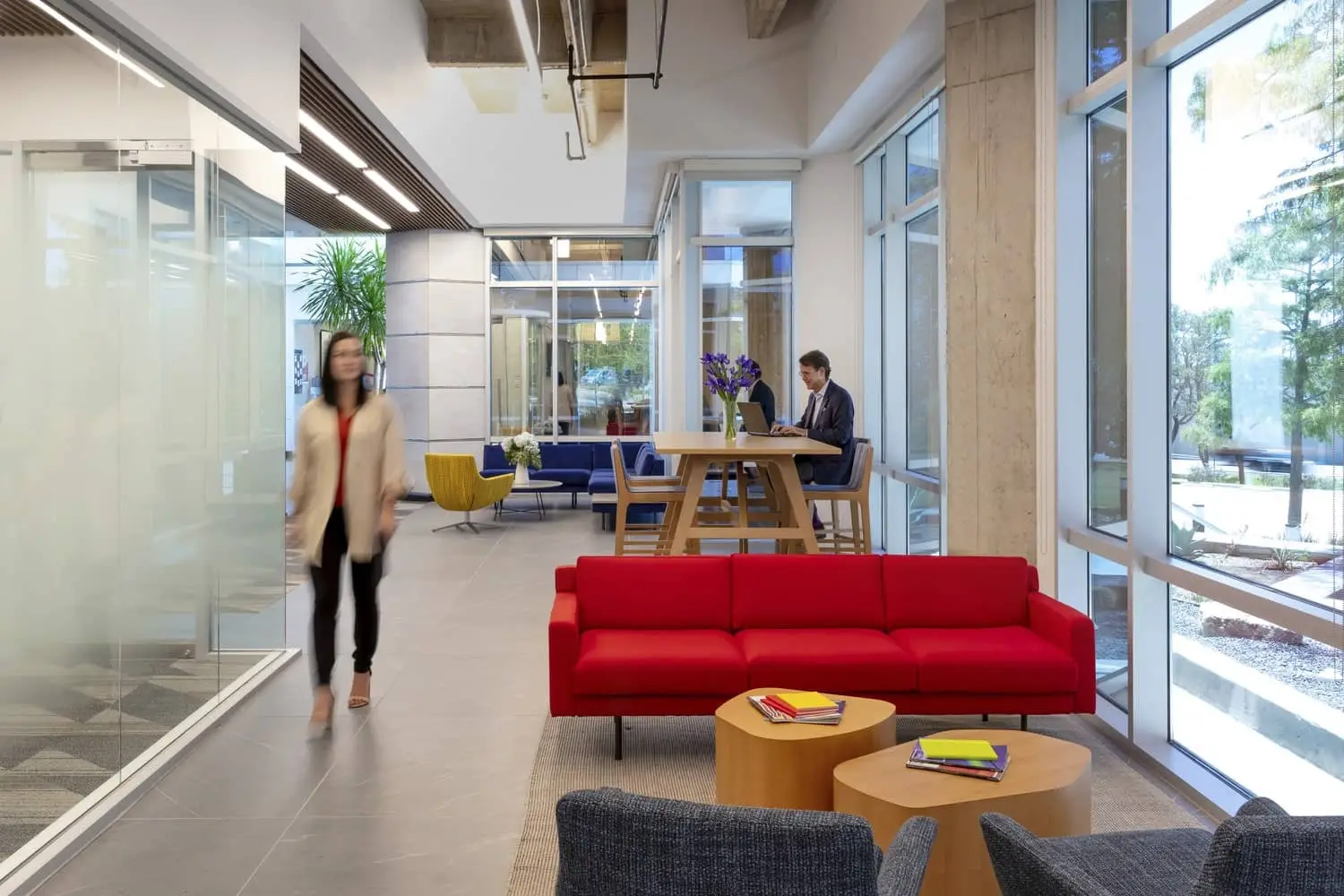
The workplace market illustrates why broad market assumptions can be misleading. Although demand has changed significantly since the pandemic, more than 2.5 million square feet of positive net absorption nationwide in early 2026, signaled improving momentum. Performance remains uneven, however, with demand concentrated in stronger submarkets and higher-quality properties. Class A assets continue to outperform in absorption, leasing activity and rent growth, while lower-quality properties face weaker demand.
Retail: Limited Supply Supports Stronger Formats
Limited development of high-quality retail space has supported demand for existing properties and encouraged the reuse of second-generation assets. Grocery, discount, sporting goods and necessity-based retailers accounted for much of the positive absorption reported in 2025 and early 2026. Open-air neighborhood and community shopping centers have been among the stronger-performing formats, reflecting continued demand for convenience-oriented retail.
Managing the Fundamentals Will Define Success
The current commercial real estate cycle will not lift every market, sector, or asset equally. Strong locations, disciplined operations, targeted capital investment and sustained tenant demand will increasingly distinguish better-positioned properties.
A broader recovery may provide support, but performance will depend more heavily on asset quality and property-level execution. For owners and investors, that makes a clear understanding of local market dynamics, selectivity and active asset management increasingly important.